Rehabilitation and Reintegration

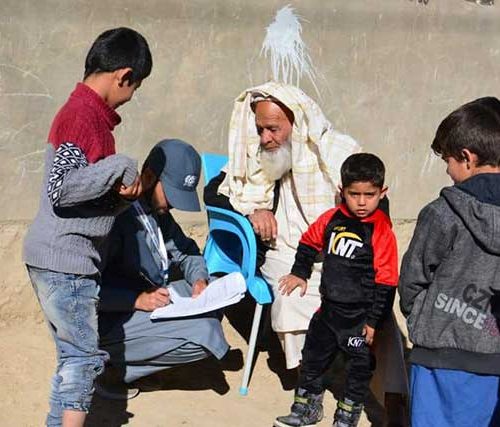
In our areas of intervention, ARWEO is committed to supporting a wide range of individuals through comprehensive rehabilitation and reintegration services. Supporting persons with disabilities, vulnerable groups, refugees, internally displaced persons (IDPs), returnees, orphans, women, men, and youth is central to our mission. We strive to address the specific needs and challenges of each group through specially designed programs.

Activities focus on promoting inclusion, empowerment, and resilience. ARWEO strives to improve people’s social status and their economic and emotional well-being by offering a comprehensive approach to rehabilitation and reintegration, thereby empowering them to lead independent and fulfilling lives within their communities. To this end, ARWEO aims to: enhance the organization’s capacity for planning, fundraising, and implementing relevant interventions in target areas, with a focus on identifying both target locations and donors; develop staff capacity, create educational materials, and raise awareness; and prioritize networking and coordination.

Reintegrate target beneficiaries into their local communities and provide them with business opportunities; equip them with knowledge regarding various trades, thereby enabling them to support themselves and their families. Mobilize individuals with disabilities, enabling them to earn a decent living and become productive members of society through vocational and basic training. Prevent youth participation in anti-government elements (AGE) and insurgent activities. Expand services to increase the social inclusion of individuals with disabilities and reduce the negative social stigma associated with disability. Improve the participation of individuals with disabilities in mainstream services (education, livelihoods, and community-based programs), leading to equal access to a wider range of quality services and activities. Empower individuals with disabilities—particularly women—to claim their rights, resulting in greater social inclusion and reduced isolation.